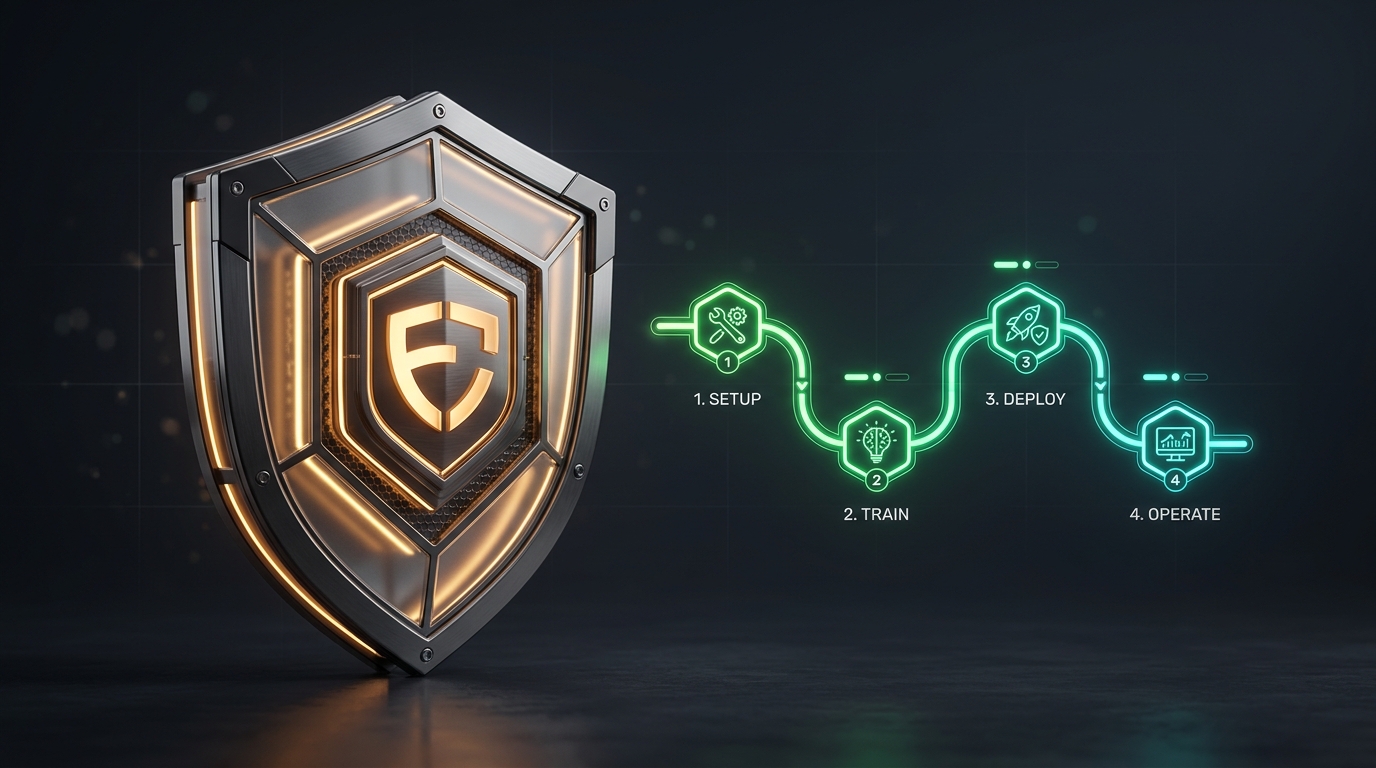
Deterministic Legal Analysis Without Privilege Exposure.
Deploying commercial AI models on confidential discovery, M&A filings, or privileged litigation briefs introduces grave existential hazards: accidental privilege waivers, discoverable third-party model logs, and unverified hallucinations presented as binding legal precedent. Praxión engineers sovereign legal intelligence architectures: enforcing strict matter-level data isolation, deterministic citation verification, and zero unauthorized data retention under institutional performance SLAs.

Four Structural Hazards in Commercial Legal AI
When regulated law firms and corporate legal departments interface with cloud-hosted generative models, compliance breaks down at four predictable operational fault lines.
Inadvertent Privilege Waiver
Transmitting attorney work product or confidential client communications to external model APIs that lack statutory privilege protections creates fatal waiver vulnerabilities in litigation.
Probabilistic Hallucination
Generative LLMs invent fictional judicial authorities, quote superseded statutory subsections, and yield inconsistent clause interpretations across successive query runs.
Discoverable Prompt Trails
Uncontrolled vendor logging and third-party prompt caching create broad, subpoena-susceptible electronic records that opposing counsel can compel during civil discovery.
Mandatory Vendor Retention
Standard enterprise AI vendors enforce 30- to 90-day prompt retention policies for internal trust & safety auditing, directly breaching ABA Model Rule 1.6 confidentiality mandates.
Court-Defensible Intelligence Across Legal Workflows
We deploy deterministic legal runtimes where every document is parsed within an air-gapped sovereign boundary, and every extracted proposition is mathematically anchored to ground truth.
Air-Gapped Matter Enclaves
Case materials and discovery files reside in isolated matter-level cryptographic vaults. Zero cross-client data contamination and zero external telemetry egress.
Deterministic Citation Anchoring
Every extracted clause, obligation, or statutory reference maps to an exact byte-offset in authenticated primary sources. Zero unverified model assertions.
Cryptographic Context Destruction
In-memory contexts and temporary embeddings are wiped immediately upon job completion. No residual cache remains on disk or in persistent model memory.
Tamper-Evident Audit Trails
Document ingestion, model verification steps, and human partner authorizations are recorded into an append-only cryptographic ledger admissible under Federal Rule of Evidence 902.
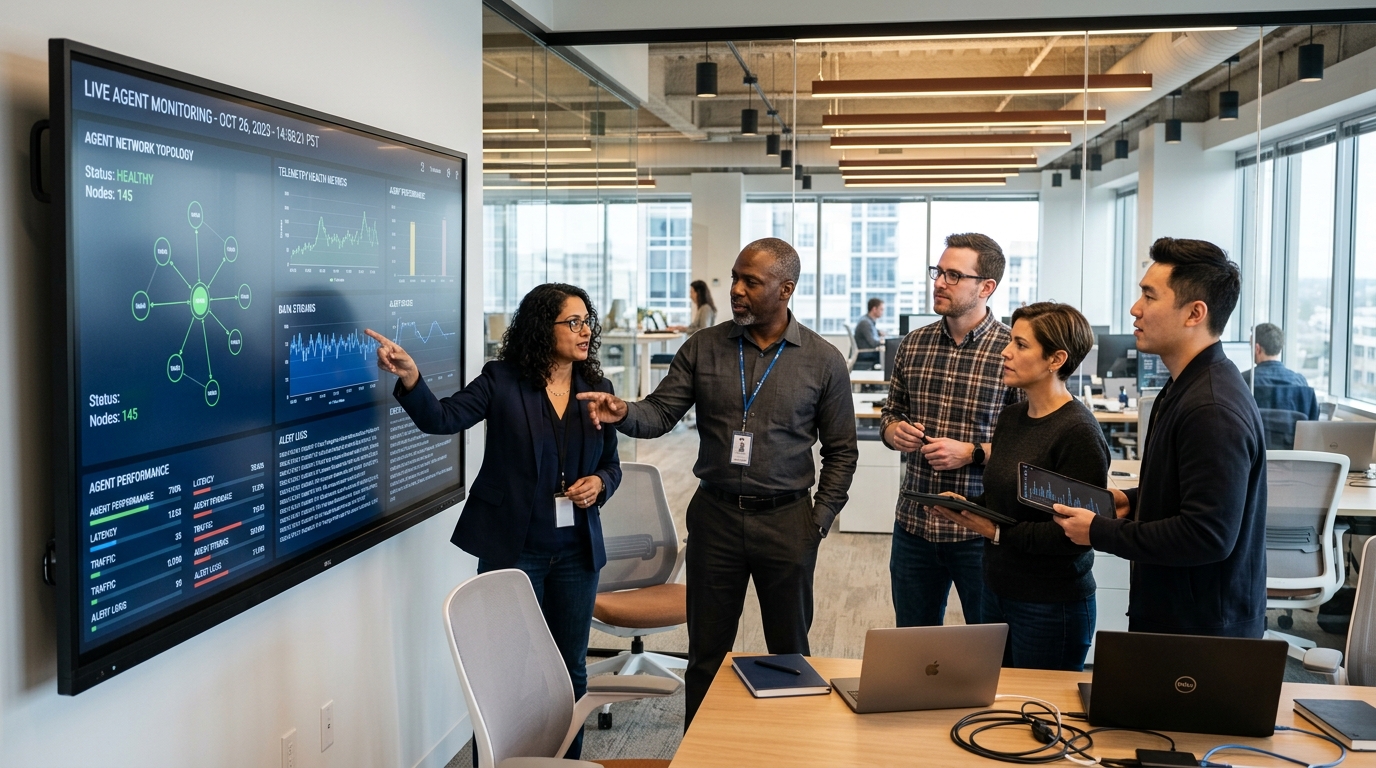
Autonomous Architecture & Operational ROI Simulator
Model real-time throughput, latency reduction, error prevention, and capital amortization timelines across your organization's mission-critical workflows.
Frequently Asked Questions
Precise answers to compliance, evidentiary, and privilege questions from General Counsel, Ethics Partners, and Chief Risk Officers.
How does Praxión's architecture support a firm's privilege and work-product obligations?
We isolate legal reasoning within client-sovereign VPCs or on-premise dedicated nodes. Under our architectural doctrine, no prompt, document extract, or analytical result is ever transmitted to multi-tenant model endpoints or stored in third-party vendor logs. Because processing remains entirely within the law firm or corporate enterprise's dedicated security boundary, the architecture avoids the third-party exposure points that most commonly put privilege and work product at risk. Privilege determinations remain with the firm and its counsel.
How does the system reduce the risk of citing hallucinated judicial opinions or superseded statutes?
Praxión employs a dual-stage deterministic extraction pipeline. Generative models are barred from synthesizing unconstrained legal citations. Every legal reference must resolve against a pre-indexed, cryptographically verified repository of primary legal texts (official reporters, statutory codes, or verified docket files). Assertions failing byte-level citation anchoring are flagged for human attorney review.
Can opposing counsel subpoena third-party model logs or prompt histories?
Our architectures are designed so that no third-party model provider holds prompt or output logs to subpoena. We implement an ephemeral processing model: once a contract analysis, document review, or discovery extraction completes, intermediate RAM buffers are overwritten and cleared. There is no external vendor database, shadow log, or third-party telemetry archive available for discovery or subpoena.
How does the system handle complex multi-jurisdictional compliance and data sovereignty rules?
Our infrastructure is cloud-agnostic and deployable across specific geographical regions to comply with GDPR, HIPAA, ITAR, and regional bar association data residency requirements. Storage volumes and compute instances are strictly pinned to designated jurisdictions with zero automated cross-border replication.
The Praxión Sovereign Architecture Ecosystem
Explore the interconnected technical layers powering deterministic enterprise autonomy, zero-trust governance, and founder-liability execution.
Autonomous Systems Architecture →
The central architectural blueprint uniting multi-agent orchestration, air-gapped enclaves, and cryptographic state ledgers.
Enterprise Agentic Operations →
Deterministic multi-agent execution with human-in-the-loop escalation barriers.
Zero-Trust RAG & Intelligence →
Air-gapped private corporate intelligence without cloud model leakage.
Autonomous LeadOps Edge →
Sub-second intake qualification, verification, and CRM routing at the edge.
Legal AI & Compliance →
Defensible statutory synthesis and audit-grade document workflows.
Financial Doc Automation →
Deterministic SOX §404 document extraction and automated ERP reconciliation.
The Sovereign Keel →
The immutable infrastructure spine engineered for uptime, governance, and metabolic resilience.
Legal Intake Systems →
Autonomous client onboarding, conflict checks, and case docket compilation.
Sovereign Legal Intelligence Under Institutional Performance SLAs.
Deploy court-defensible document intelligence and contract analysis that satisfies both General Counsel and external risk committees. Full production deployment within 30 days with complete client IP ownership.